Ten Hours in a Mixed Age Home: How the Day Actually Runs
One provider, six children, four age groups, ten hours. A close look at the real choreography of arrival, meals, naps, diapering, and pickup inside a single family child care home.
Arrival: the health check at the door and the first handoff of the day
By 7:15 a.m., parents begin parking in the driveway and lining up at the door with coats, backpacks, and coffee cups in hand. The day starts at the threshold, where the provider greets each child and parent, clipboard or device nearby. The state requires a visual health check: eyes, nose, skin, and temperature if anything seems off. A brief check for rashes, runny noses, or complaints of feeling "yucky" is routine. If a child has a fever or obvious symptoms, the provider has to turn them away, which can set off a tense conversation before the first shoe is off.
Hand sanitizer is dispensed, and shoes go into the cubby. Parents relay quick updates: teething, a rough night, or a new medication. The handoff is quick, usually under three minutes per family. Still, with six arrivals staggered over a thirty-minute window, the provider juggles hellos, wellness checks, and reminders about paperwork or forgotten items. Each child gets ushered into the playroom, and the provider counts heads before the parent walks away. The clock is ticking, but the tone is set for the day by these first interactions.
Keep reading: Infant Safe Sleep Checks: Setup, Timing, and the Written Log
Mid morning with one infant awake, two toddlers, and three preschoolers
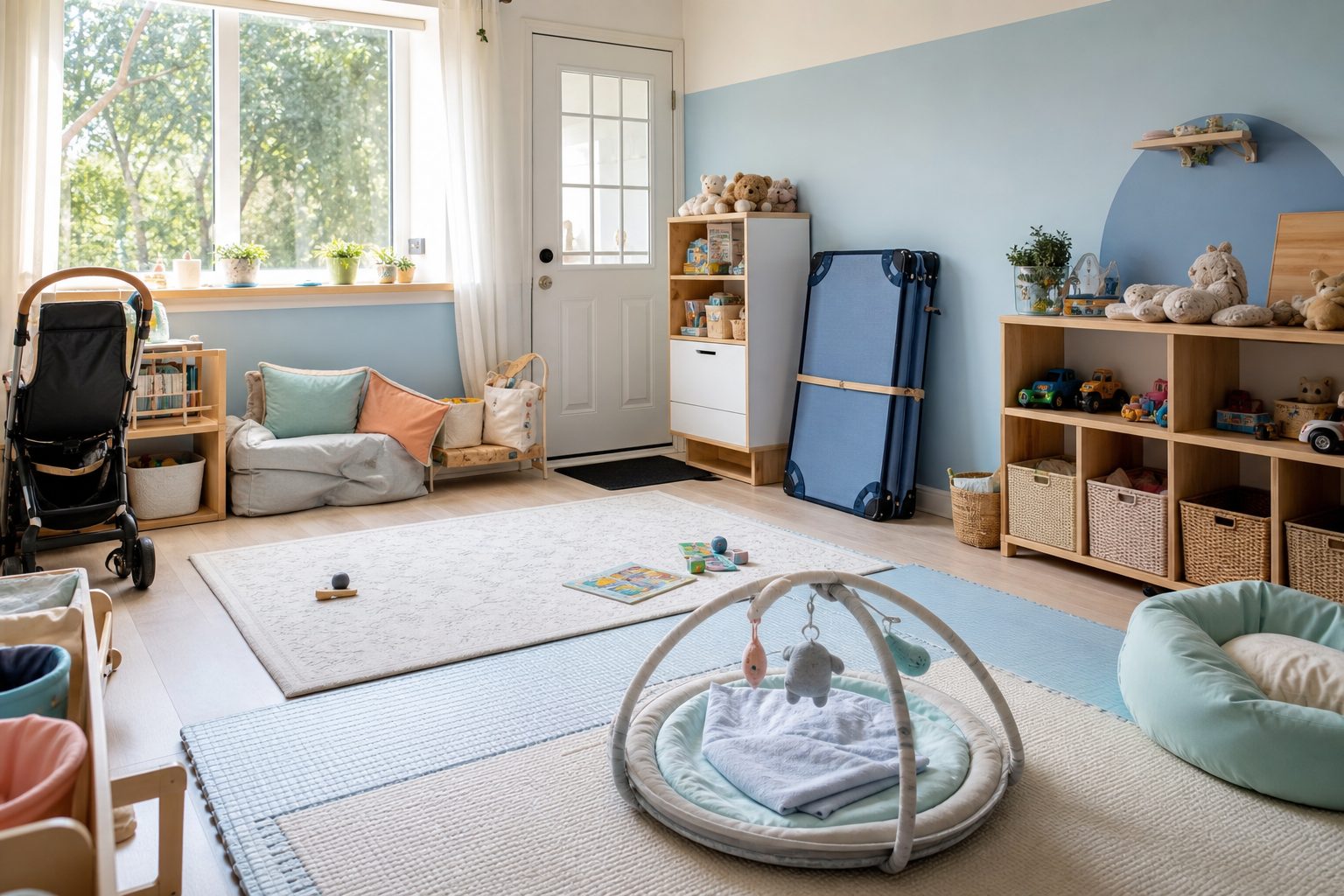
After arrivals, the group shifts into the first open play block. The infant, freshly fed, is placed on a soft mat with a few textured toys. The toddlers are at a low table stacking blocks and making noise, while the preschoolers want art supplies or a turn with the magnetic tiles. One child asks for help with a puzzle, while another needs a tissue. The provider's attention jumps among four developmental stages, each with its own demands.
The main challenge is balancing supervision and engagement. The infant rolls over and squawks for attention, just as a toddler tips over a cup of milk. At the same time, two preschoolers argue over a truck, voices rising. The provider kneels to help the toddler, redirects the preschoolers, and keeps the infant in view. At least one child always needs a diaper change or bathroom break, which pulls the provider away from the rest of the group. The clock moves fast: by 9:30, it is time to transition to snack and then a short circle time, often with a song or finger play. The provider knows the transitions are the moments where chaos can creep in, so routines are tight and expectations are clear. Still, every day, there are surprises.
Serving a meal in a kitchen that is also the classroom
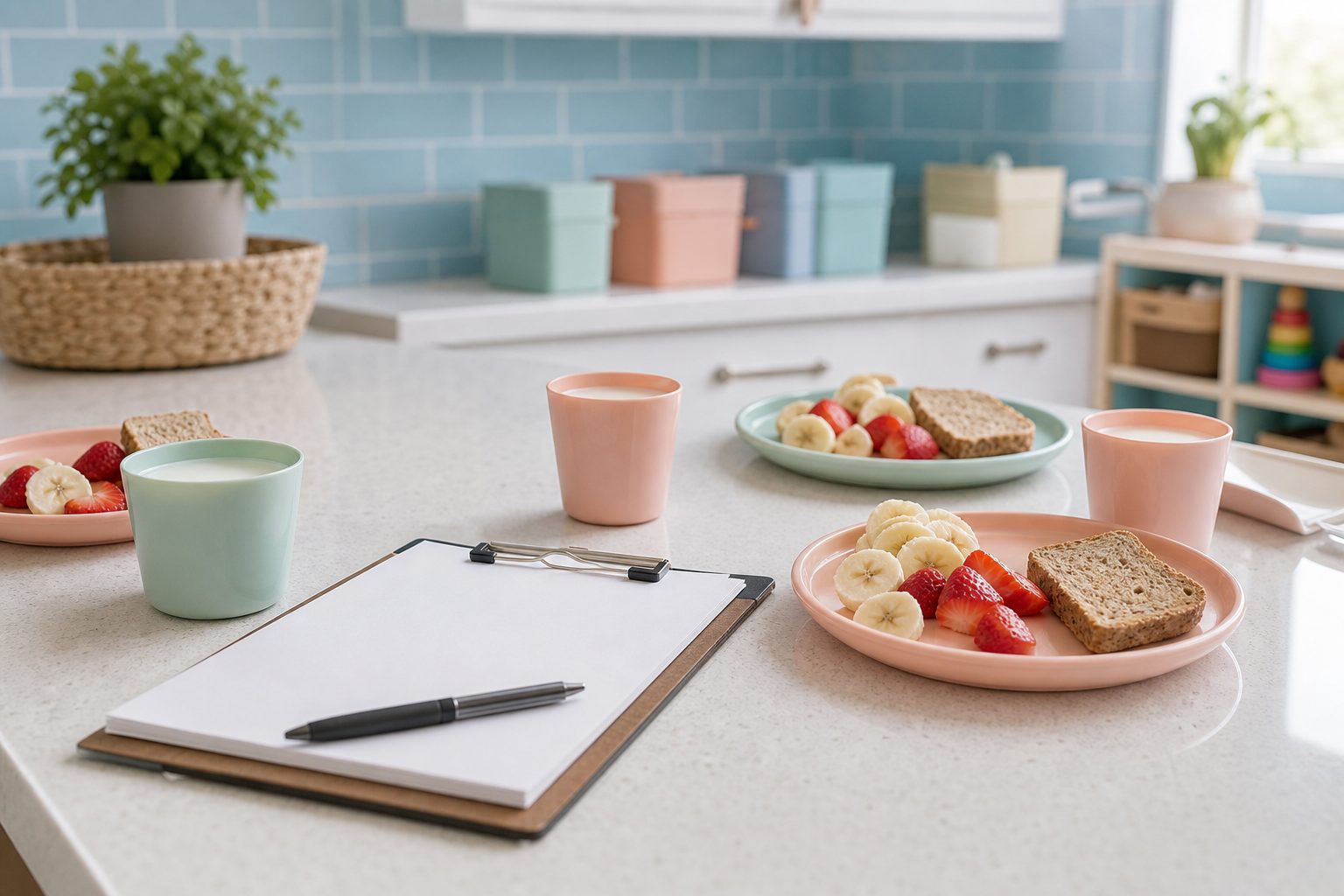
Meal prep begins with handwashing: one child at a time, lined up at the step stool, singing the ABCs. The kitchen table is wiped down, and the highchair is buckled in place for the infant. The provider dishes out portions, careful to avoid allergens and respect each child's list of food preferences and restrictions. One preschooler wants seconds before the others have even started. Another child refuses to eat peas but asks for more crackers. The infant gets spoon-fed pureed carrots, which end up on the bib, the tray, and sometimes the floor.
With no separate staff, the provider serves, supervises, and assists with opening milk cartons and peeling bananas. The older children spill water, the toddlers drop spoons, and the infant tosses a cup just as the phone rings with a parent's midday question. By the time everyone is finished, the provider wipes faces, clears dishes, and sweeps the floor, all while keeping an eye out for food sharing or hidden bites that might trigger allergies. Mealtime is a lesson in patience and multitasking.
Keep reading: CACFP for Home Providers: Meal Patterns, Records, and Claims
The nap overlap problem and the ways providers stagger it
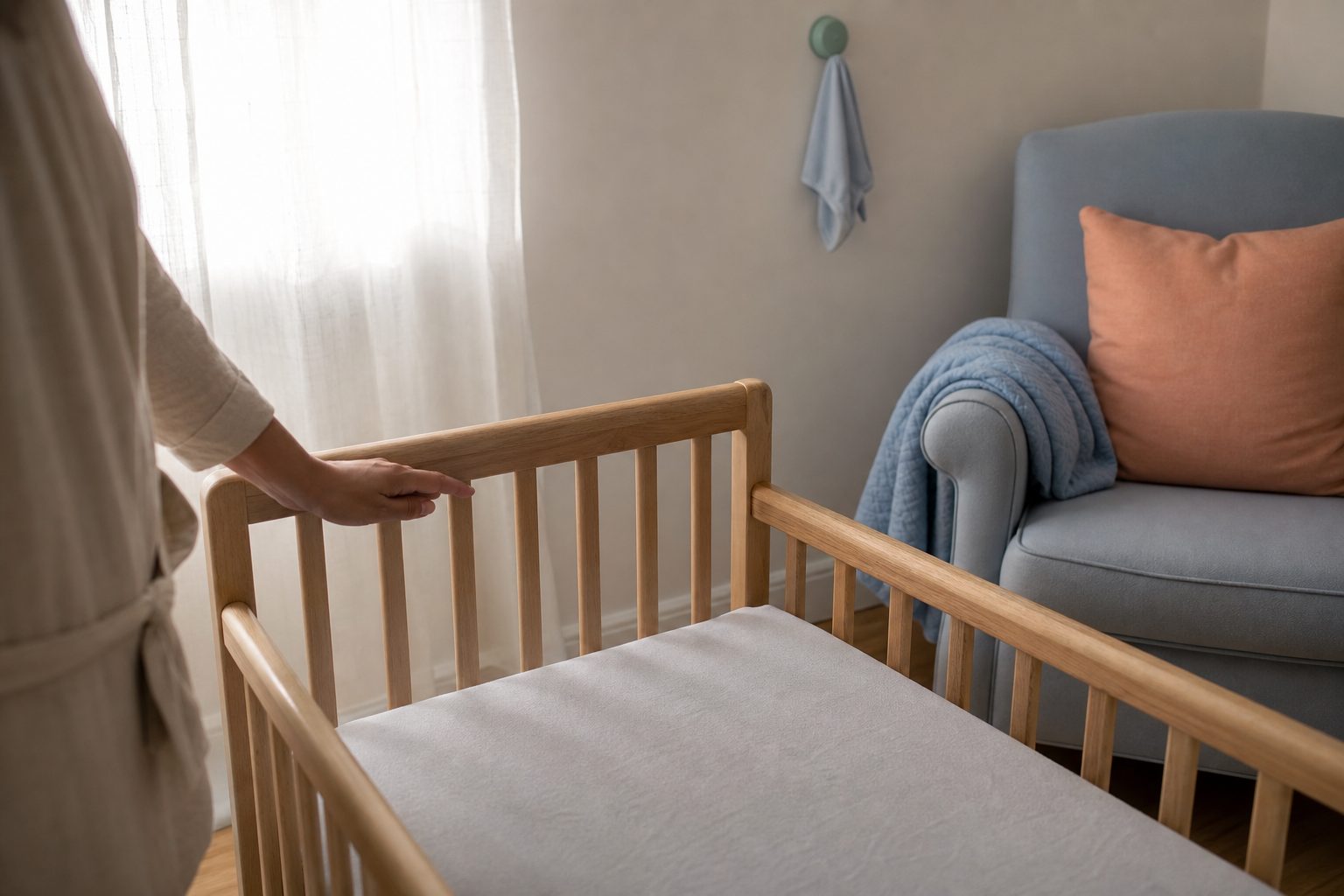
Nap time is a puzzle with moving pieces. The infant needs a morning nap by 10:30, while the toddlers are fading by 12:00. Preschoolers, depending on age, may nap or get quiet time with books. The provider settles the infant first in a crib in a darkened room. Toddlers go down on mats, with favorite blankets and white noise. Preschoolers who no longer nap get quiet activities at the table, but the space is limited and noise travels easily in a home setting.
The main challenge is overlap: the infant may wake up just as the toddlers are finally asleep. One solution is to stagger nap routines, reading to preschoolers while the toddlers drift off, then moving quietly to settle the infant again if needed. Providers rely on blackout curtains, fans, and a routine set of lullabies. Despite best efforts, someone always wakes up early or needs help falling asleep. The provider makes rounds, patting backs and shushing quietly, trying to buy a little more rest for everyone.
Diapering and handwashing, and the real interruption cost of each round
Diapering happens at least three times for each child under three, sometimes more if there are messy surprises. Each diaper change means prepping the station, putting on gloves, and logging the change for licensing records. Add in handwashing: after each change, before and after meals, after outdoor play, and anytime someone sneezes or coughs. For six children, a full round of diapering and handwashing can take up to twenty minutes, a stretch of time when supervision is harder, especially if the bathroom is down the hall from the playroom.
Every interruption breaks the flow of group play. When one child is whisked away for a change, the rest may scatter, lose focus, or get into mischief. The provider calls out reminders, supervises as best as possible, and hustles back to the main area after each round. For older children, handwashing can be a group activity, but with younger toddlers, it is a one-on-one process. Licensing rules are strict, so there are no shortcuts here.
See how NapLog handles this for childcare
Outdoor time when the weather refuses to cooperate
Outdoor play is a required part of the daily schedule, but rain, wind, or extreme temperatures often interfere. On mild days, the provider shepherds everyone outside with jackets, hats, and sunscreen. But when the weather is bad, the plan shifts to indoor gross motor activities: crawling tunnels, jumping mats, and dance games set up in the living room.
Getting outside, even for a short walk, takes time. Shoes and coats go on and off, and someone always needs help with zippers or mittens. When stuck inside, the challenge is burning off energy in a small space without causing injuries. Balloons, scarves, and soft balls replace playground equipment. Noise rises quickly, and the provider must keep activities structured to prevent roughhousing. Some days, despite best efforts, the group gets restless, and the provider counts down the minutes to the next transition.
The pickup window and the three things parents ask about first
Pickups begin around 4:30 p.m. and can stretch nearly an hour. Parents arrive in a rush, often juggling work calls or younger siblings. The first questions are the same every day: Did they nap? How much did they eat? Were there any incidents? The provider keeps mental notes and checks the day's logs, ready to answer quickly.
Handing off a tired child is a delicate moment. Some children beg to stay for just a few more minutes, while others melt down at the sight of a parent. The provider manages goodbyes, returns artwork or notes, and reminds parents about upcoming closures or missing supplies. All the while, the last children still need supervision, and the provider must keep the group calm until the final family leaves. Each handoff is a chance to reinforce trust and share a snapshot of the child's day, but it must be efficient to keep the schedule on track.
Closing: the last fifteen minutes of record keeping that nobody sees
Once the last child goes home, the provider faces the day's paperwork. Licensing requires daily attendance logs, meal records, diaper change logs, and notes on incidents or injuries. The provider checks that every form is filled out, initials each box, and files reports for any bumps or bites. Toys are disinfected, the kitchen is cleared, and the playroom is reset for tomorrow. This last stretch is quiet but necessary, and often goes unnoticed by parents.
Efficient record keeping tools can make this final part of the day smoother. Digital child reports, incident logs, and licensing-ready checklists help providers focus less on paperwork and more on care. For many, an organized system is what makes ten-hour days possible, day after day.